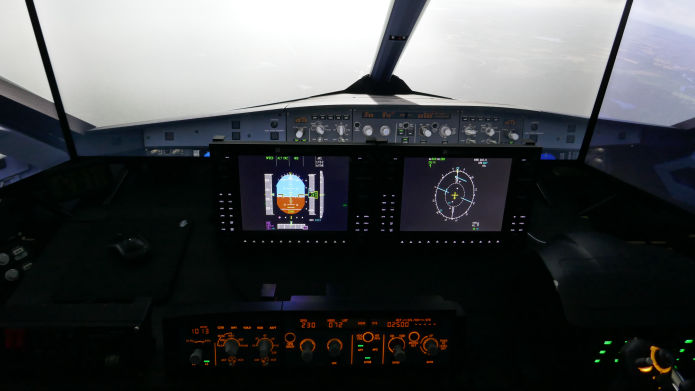
Does simulator-based flight training result in real-world flying skills, or is it just promotional exaggeration?
Flight simulators are highly effective in supporting pilot training. They provide a safe, controlled, and cost-effective environment for students to practice various aspects of flying, from basic maneuvers to complex emergency procedures, according to Global Training Aviation. Simulators allow pilots to learn in a risk-free setting and develop skills that can be transferred to real-world flying, says Florida Flyers Flight Academy.
• Private Pilot Familiarization
• Instrument Flying Familiarization
• MST Reference Documents
> Learn to Fly using Flight Sim
• How to become an airline pilot
Rev: 720261
Can quality simulator-based training really improve real-world flying skills—or is it just marketing hype?
With powerful tools like Microsoft Flight Simulator (MSFS) and X-Plane now widely accessible, it’s a valid question for both student and experienced pilots alike.
The short answer: Yes—when used correctly and with purpose, home flight simulation can play a significant role in flight training.
To be transparent, our MST programs are built around providing instruction through simulators, so we’re strong advocates of their value. But we also acknowledge the concerns—particularly the risk of negative transfer and the wide range of opinions among instructors and students.
What’s often overlooked, however, is the substantial body of research—some of it decades old—that explores this very issue. In the following discussion, we’ll break down the data, explore the benefits, and honestly assess the limitations, so you can make informed decisions about how to use simulation effectively while minimizing potential downsides.